Climbing Mt. Kilimanjaro is not only about reaching the summit — it is also about the dedicated team that supports you every step of the way. Your guides, cooks, and porters work tirelessly to ensure your safety, comfort, and success throughout the trek.
Tipping is a long-standing tradition on Mt. Kilimanjaro and is considered an important way of recognizing the hard work and dedication of the mountain crew.
Our mountain crew members often spend long days carrying equipment, preparing meals, setting up camps, and ensuring your wellbeing in challenging mountain conditions. Your tips directly support these hardworking individuals and their families.
Tipping is voluntary, but highly encouraged and appreciated.
The following amounts are recommended per crew member, per day.
| Crew Position | Recommended Tip |
|---|---|
| Lead Guide | USD 20 – 25 / day |
| Assistant Guide | USD 15 – 20 / day |
| Cook | USD 12 – 15 / day |
| Porter | USD 8 – 10 / Porter per Day |
Estimated total tip amounts per climber based on route duration and group size.
| Group Size | 5 Days Marangu | 6 Days Marangu | 6 Days Machame | 7 Days Machame | 7 Days Lemosho | 8 Days Lemosho |
|---|---|---|---|---|---|---|
| 1 Person | $260–$350 | $312–$420 | $312–$420 | $364–$490 | $364–$490 | $416–$560 |
| 2 People | $208–$300 | $249–$360 | $249–$360 | $291–$420 | $291–$420 | $322–$480 |
| 3 People | $159–$250 | $190–$300 | $190–$300 | $222–$350 | $222–$350 | $253–$400 |
| 4 People | $141–$225 | $170–$270 | $170–$270 | $198–$315 | $198–$315 | $226–$360 |
| 5 People | $144–$230 | $173–$276 | $173–$276 | $202–$322 | $202–$322 | $231–$368 |
The number of crew members depends on:
Longer routes and larger groups generally require more support staff.
At Wild Rhythm Adventures, we believe every successful summit is made possible by the dedication, hard work, and passion of our mountain crew. From carrying essential equipment and preparing warm meals to offering encouragement during the most challenging moments, our guides, cooks, and porters are the heart of your Kilimanjaro experience.
Your tips are more than a gesture of appreciation — they directly support the hardworking individuals who make your adventure safe, comfortable, and memorable.
By supporting our crew, you also help promote responsible and sustainable tourism on Mt. Kilimanjaro and contribute positively to local communities.
Mount Kilimanjaro can be climbed year-round, but the best times are during the dry seasons — January to March and June to October. These months offer more stable weather, clearer skies, and lower chances of rain, making for a safer and more enjoyable trek. January to March is generally colder but quieter, while June to October sees more climbers and warmer weather. Planning around these windows greatly increases your chances of a successful and comfortable summit.
No technical climbing experience is necessary to reach the summit of Mount Kilimanjaro. It’s a high-altitude trekking expedition, not a technical climb, meaning you won’t need ropes, crampons, or climbing gear. However, the altitude, physical endurance, and mental resilience required make it a real challenge. Anyone in good physical condition with strong determination can successfully climb Kilimanjaro — especially with proper preparation and a guided team supporting you.
The duration of a Kilimanjaro climb depends on the route you choose, ranging from 5 to 9 days. Shorter climbs may seem tempting, but they offer limited time for your body to adjust to altitude, which reduces your chances of reaching the summit. Most climbers opt for a 7 or 8-day trek, which allows for better acclimatization, a more relaxed pace, and a significantly higher summit success rate. Our itineraries are designed to balance safety, comfort, and success.
Success rates vary by route and duration. Climbs of 7 days or more have a success rate of 85–95%, largely due to better acclimatization and a more gradual ascent.
Yes, altitude sickness is the most significant challenge on Kilimanjaro — not the trail or terrain. As you ascend, the oxygen levels decrease, and your body needs time to adjust. Symptoms can include headaches, nausea, dizziness, or fatigue. Our guides are trained in altitude awareness and carry pulse oximeters, first-aid kits, and emergency oxygen. We follow a slow and steady pace, and our routes are designed with acclimatization in mind to minimize risk. In rare cases, emergency evacuation procedures are in place for your safety.
ou don’t need to be a marathon runner, but you should be in good physical condition and able to hike for several hours a day on consecutive days. Cardiovascular fitness, leg strength, and endurance are important. Prior trekking experience helps, but it’s not mandatory. Regular walking, stair climbing, jogging, or hiking in the months before your climb is highly recommended. We also provide pre-trek guidance to help you prepare physically and mentally for the journey.
Proper gear is critical for your safety and comfort. You’ll need layered clothing (for temperatures ranging from hot to freezing), a good quality sleeping bag, waterproof jacket and pants, hiking boots, headlamp, daypack, and other essentials. We provide a comprehensive gear checklist after booking, and we also offer gear rental in case you prefer not to travel with everything. Our team is happy to guide you on what to pack and what to leave behind.
Yes, all of our Kilimanjaro climbs include a full mountain crew: licensed local guides, assistant guides, porters, and a cook. Our guides are highly experienced and trained in mountain safety and first aid. Porters carry your main gear, set up your camp, and ensure a smooth experience so you can focus on the climb. We follow ethical porter treatment guidelines, including fair wages, proper gear, and adequate meals for all staff.
Depending on your route, you’ll sleep in either tents or mountain huts. Most routes, like Machame, Lemosho, or Rongai, involve tented camping. We provide high-quality, weatherproof tents, sleeping mats, and dining tents. The Marangu Route is the only one with dormitory-style huts, which offer bunk beds and shared facilities. Regardless of the route, our focus is always on cleanliness, comfort, and a good night’s rest after a full day of trekking.
Tipping is a well-established and important tradition on Kilimanjaro, as it directly supports the mountain crew. While it’s not mandatory, it is highly expected and appreciated. We provide clear tipping guidelines based on group size and length of the trek. Tips are collected and distributed fairly among guides, porters, and cooks, ensuring that the entire team is recognized for their hard work.
No, it’s not allowed. Tanzanian law requires all climbers to be accompanied by a licensed guide for safety, conservation, and regulatory reasons. This also ensures that local communities benefit economically from tourism. Climbing with a guide not only fulfills this requirement but also greatly enhances your experience, offering support, knowledge, and motivation along the way.
Yes, travel insurance is essential when trekking Kilimanjaro. It should cover high-altitude trekking (up to 6,000 meters), trip cancellations, medical expenses, and emergency evacuation. In case of altitude sickness or any health emergency, having the right coverage ensures you can receive immediate care and transportation off the mountain. We recommend purchasing your insurance as soon as you confirm your booking.
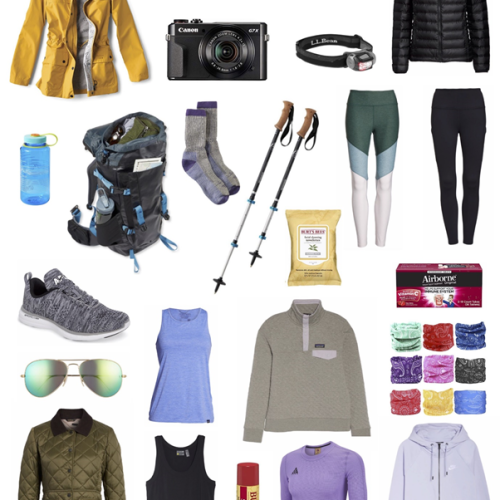
This comprehensive Kilimanjaro packing list outlines the essential gear for your hike, complete with our expert recommendations for a successful climb.
Our guests love their adventures with us! From the thrill of climbing Kilimanjaro to the excitement of a Tanzania safari, we create unforgettable experiences. With expert guides and stunning landscapes, we make every journey special. Hear from our happy travelers and start your adventure today!
Posted onVerified Good We had the incredible opportunity to climb Mount Kilimanjaro and enjoy a 5-day safari with Wild Rhythm Adventures. Both experiences were truly unforgettable, and we finished the journey feeling happy, proud, and deeply accomplished. Thank you so much to the entire team for the amazing organization, support, and memories that will stay with us forever!Posted onVerified Unforgettable Serengeti Safari with Ian A wonderful safari experience with Wild Rhythm Adventures in Serengeti and Ngorongoro Crater. Our guide, Ian, was absolutely perfect — very professional, experienced, kind, and passionate about his work. He made the entire trip enjoyable and unforgettable by ensuring we had the best wildlife viewing experience throughout the safari. Everything was well organized, and I truly recommend Wild Rhythm Adventures to anyone planning a safari in Tanzania.Posted onVerified Amazing seven days Tanzania adventure I had an amazing experience with Wild Rhythm Adventures during my 7-day Lemosho Route climb in Tanzania. Everything was perfectly organized from the airport pickup to the summit and back. The guides were professional, friendly, experienced, and always made sure we were safe and motivated throughout the trek. The porters and chef also did an incredible job — the food was fresh and delicious every day, even on the mountain. The Lemosho Route was absolutely beautiful, with stunning views and great acclimatization. Thanks to the amazing support from the team, I successfully reached the summit and created unforgettable memories. I recommend Wild Rhythm Adventures to anyone planning a Kilimanjaro climb.Posted onVerified A Perfectly Organized Safari with a Knowledgeable Guide I had an incredible experience with Wild Rhythm Adventures during my safari in March. The trip was exceptionally well organized, and we visited some of Tanzania’s most iconic destinations — Serengeti, Tarangire, and Ngorongoro. Our guide, Ian, was outstanding. His knowledge of wildlife, landscapes, and local culture truly enriched the entire experience. He had an impressive ability to spot animals and explain their behavior in a way that made every game drive both exciting and educational. The service throughout the safari was excellent, from transportation to overall coordination. Everything ran smoothly, and I felt well taken care of the entire time. I highly recommend Wild Rhythm Adventures to anyone looking for a memorable and professionally organized safari in Tanzania.Posted onVerified A Life time Adventure An unforgettable lifetime adventure! Everything from the scenery to the experience itself was incredible. I was exciting well organized and full of memorable moments. I met amazing people saw breathtaking places and created memories that will stay with me forever. Highly recommend Wild Rhythm Adventures for a life time adventurePosted onVerified Dream Mount Kilimanjaro trip!! February 2026 I did the Lemosho route & summited beautiful Mt. Kilimanjaro!! thanks to my guide Oscar and four porters w/ Wild Rhythms Adventures I made this dream come true! They were super friendly and professional to the Max! They always had my tent set up and hot tea/hot chocolate/coffee things ready by the time I got to lunch camp or dinner camp. The guides spoke excellent English. Owner of the company Hamadi was able to answer many questions in advance. They rent all of the gear that you might need as well by the way I highly recommend Wild Rhythms Adventure! They are small, local and just the kind of company that you want to supportPosted onVerified The trip of a life time in Tanzania I had an amazing experience climbing Mount Kilimanjaro and going on safari with Wild Rhythm Adventures. Everything was perfectly organized, and the team was professional and supportive throughout the entire trip. Our safari guide, Ian, was outstanding—knowledgeable, friendly, and incredibly skilled at spotting wildlife. He made every game drive exciting and educational, and thanks to him we saw so many amazing animals up close. I highly recommend Wild Rhythm Adventures to anyone looking for a well-organized, safe, and unforgettable Tanzania adventure!Posted onVerified A life time adventure My trip to Tanzania was excellent with Wild Rhythm Adventures. I traveled with my friends for a Serengeti safari and a day trip to Kilimanjaro. Everything was well organized, and the experience was amazing. I highly recommend them.Posted onVerified Amazing Experience with Wild Rhythm Adventures The 6 day machame route was well organized, and incredibly rewarding. The team were professional supportive and always focused on safety. After climb we were on safari Tarangire and Ngorongoro Crater was the perfect way to relax and explore Tanzania’s wildlife Every thing ran smoothly start to finish. Highly recommend Wild Rhythm Adventures for both trekking and safari experiencePosted onVerified 5 day Tanzania The 5 day safari was truly amazing. The company was very organized from first day up last. Everything ran smoothly and guides were highly experienced and professional. I highly recommend Wild Rhythm Adventures